A Rainy Afternoon, Set for Easy Company
Plan a rainy afternoon gathering with clear arrival details, a dry place for coats, easy refreshments, and room for guests to settle at their own pace.

A rainy afternoon gathering is easier to host when coats, cups, and late arrivals already have somewhere to go. For a rainy afternoon gathering, the useful planning is mostly about making the room legible: guests should be able to come in, put things down, and choose how to spend their time without asking for instructions.
Set the entry up for wet coats and uncertain arrivals
Start at the door, not at the table. Decide where damp jackets, umbrellas, and shoes can go, then tell guests about the arrangement in the invitation so nobody has to balance a dripping umbrella while surveying your furniture.
Make the arrival window plain and include the entrance to use, any access detail that matters, and whether arriving late or leaving early is fine. A specific welcome such as “Come by in the afternoon; the side door will be open, and there’s a basket for wet umbrellas” answers practical questions without turning the invitation into a timetable.
Keep the route from the entrance to the seating area clear. A small mat can catch the first round of rain; a hook, sturdy chair, or basket can take the rest. The setup works like a well-placed doormat: unremarkable until it prevents a trail of trouble.
Give conversation a place to gather without assigning it
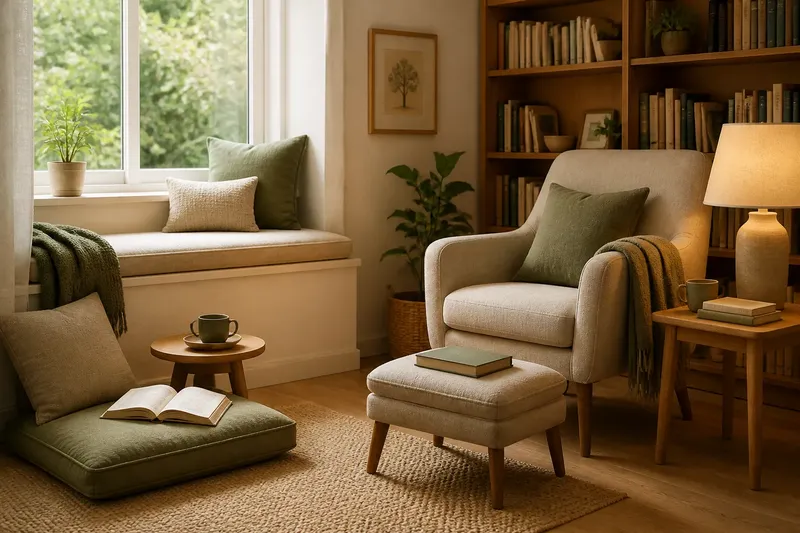
Instead of planning a sequence of activities, arrange one visible, optional point of interest and make the surrounding seats comfortable for people who would rather talk. A puzzle, a deck of familiar cards, sketch paper and pencils, or a simple mending basket can sit ready without a formal announcement.
For an activity with instructions, leave a short note or keep the rules nearby, and choose something that can restart easily. Avoid plans that require everyone to arrive together, divide into teams, or listen to a long explanation before the room can relax.
Say you have a narrow living room, a dining table with a partly finished jigsaw, and two guests arriving in damp jackets. Move the puzzle to one end of the table, place a tray on the sideboard for cups, and point out the coat hooks and umbrella basket as they come in. The expected result is a clear place for belongings and a usable table, while guests can join the puzzle or settle nearby without waiting for a host-led start.
Make food and drink easy to reach and easy to ignore
Set out refreshments that do not need assembly or close supervision: crackers, sliced fruit, a loaf of cake, or a bowl of nuts. Put cups, napkins, and a water pitcher nearby, and offer a warm drink alongside a simple alternative.
Keep serving dishes away from the activity surface and leave a tray or side table available for used cups. If a dish needs heating or timing, decide in advance who will handle it and when; otherwise, let it go. The point is to keep the host in the room, not to establish a small catering department.
Check the room before guests arrive
- Check that the entrance is clear and the chosen entry is easy to identify; if the route is blocked or confusing, move the obstacle or send a clearer arrival message.
- Check that there is a dry, stable place for coats and umbrellas; if hooks or a basket are unavailable, designate a chair or another safe spot and tell guests where to use it.
- Check that the activity can be joined without a group briefing; if it cannot, add a brief instruction card or replace it with a familiar, easy-to-pause option.
- Check that the activity surface is separate from food and drink; if dishes compete for the same space, move the activity or refreshments to another surface.
- Check that cups, napkins, and water are within easy reach; if guests would need to ask or search, gather them on a tray in a visible spot.
- Check that at least one seat is available away from the activity; if every place requires participation, move a chair or clear a quiet corner for conversation.
- Check that the walking route stays clear after coats and bags arrive; if the entry becomes crowded, shift the storage point or remove unnecessary furniture from the path.
What do guests need to know before they come?
How should I describe the arrival time?
Give a broad arrival window and say plainly that guests may come later or leave earlier. Add the entrance to use and where wet belongings can go, so the first moments are simple.
What if someone does not want to join the activity?
Keep a comfortable seat nearby that does not require participation. A guest can talk, read, or listen while the activity gives the room a shared point of attention.
What if the rain changes someone’s travel plans?
Let guests know they can adjust or cancel if travel becomes difficult, and avoid treating attendance as an obligation. If local conditions make travel unsafe, people should use their own judgment and follow relevant local guidance.
Should I move the gathering outside if the weather clears?
Keep the indoor arrangement as the dependable plan. A brief outdoor pause can remain optional, rather than creating another transition everyone has to manage.
Keep the plan useful when the afternoon shifts
Imagine a guest texts that a delayed bus will bring them well after the first arrivals. Leave the puzzle on the table rather than waiting to begin, keep the entry instructions in the invitation, and set aside a chair near the group. When the guest arrives, they can hang up a coat, take a seat, and join a later round or simply listen; the tradeoff is that the activity progresses at an unhurried pace, which is less troublesome than restarting the afternoon for each arrival.
A rainy afternoon gathering benefits from preparation that removes small decisions, not from a tightly managed schedule. Make the entry obvious, keep refreshments self-serve, and leave guests room to choose their own level of involvement; the host can then spend more of the visit in the same room as everyone else.