Before the Weekend Became Time Off: A Short History of the Two-Day Break
The history of the two-day weekend explains how Saturday and Sunday became shared leisure time, and why the familiar break took shape gradually.
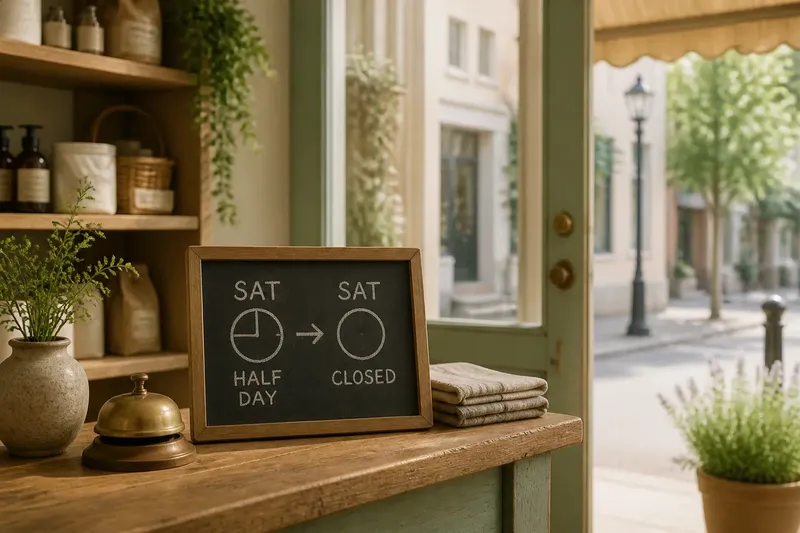
The history of the two-day weekend helps explain why Saturday and Sunday still feel like a shared pause, even when your own schedule says otherwise. For many workers in the United States and other industrialized places, Saturday was once part of the working week; the familiar pair of days off took shape gradually through shorter hours and changing workplace customs.
Work schedules once left little room for two days off
Before the two-day weekend became common, many people worked six days a week, with Sunday often set aside for worship and rest. Saturday commonly remained a workday, though routines varied by trade, place and employer.
Work outside factories followed its own demands. Agricultural labor shifted with seasons and immediate tasks, while shopkeepers, domestic workers and craftspeople kept schedules shaped by their work and customers. There was no single pattern for everyone to follow.
Industrial employment made work time more regular for many employees. A factory had to coordinate its machinery and workforce, but that organization did not automatically provide a short week. Saturday could still mean a full shift or a partial one.
Sunday’s place did not create a two-day weekend
In many Christian communities, Sunday held a distinct place as a day for worship and a pause from ordinary labor. Local customs and laws restricted some work or commerce, but rules and their enforcement differed. Sunday carried a cultural weight that Saturday generally did not.
A shared Sunday pause could help households plan worship, rest or visits, but it left the rest of the week—including Saturday—open to work. As towns and commercial life grew, people disagreed over how much work or trade Sunday should allow.
Saturday’s move toward leisure followed a different path. Shorter hours, employer decisions and workers’ efforts to secure more predictable free time helped change the working week. The transition was uneven; a half-day or early closing could come before a full Saturday off.
Saturday gradually became part of the weekend
Workers’ organizations pressed for shorter hours and time for family, recreation and personal life. Employers also considered regular schedules to coordinate staff and keep workplaces running. Those interests did not always align, and change moved at different speeds across industries and communities.
During the twentieth century, the two-day weekend gained wider acceptance in many industrialized places, including the United States. Offices and some factories adopted Saturday-and-Sunday breaks, while service jobs and shift-based work often kept weekend hours. A shared calendar did not mean shared access to time off.
Imagine a small shop that closes early on Saturday, then later shuts for the full day after the owner and staff adjust their hours. The starting point is a Saturday workday; the action is shortening and then ending that shift; the expected observable result is that errands and visits can begin to cluster around a common pair of days. The example is invented, but it shows how a workplace custom might spread without appearing everywhere at once.
A common schedule made free time easier to share
When relatives, friends and neighbors had the same days off, they could arrange visits and outings without comparing a different roster for each person. The weekend became social time partly because people could expect others to be available.
Parks, cinemas, sports grounds and shops could draw visitors when many workers were free. At home, some people used Saturday for chores and Sunday for rest; others treated the two days as one stretch. The shared calendar made both patterns possible.
The days were not always equal. Saturday might carry errands and household work, while Sunday kept a more solemn or restful character. A weekend could be a small container already holding laundry, family visits and a lunch invitation.
Think of a kitchen table: one piece of furniture, but different people arrive with different things to put on it. The shared block of time was real; household duties, occupation and custom shaped what each person could do with it.
Saturday and Sunday were never everyone’s days off
The two-day weekend became a familiar convention, not a universal schedule. Hospitals, hotels, restaurants, public transportation and shops need staff when many other people are free. Employees in these fields may work weekends or have rotating days off.
Weekend patterns also differ by country, region, religion and industry. In some places, the main weekly rest day is not Sunday, and local workweeks arrange days off differently. Agricultural labor, domestic work and shift-based jobs have long followed rhythms unlike the office calendar.
The distinction matters: the weekend did not arrive as a single reform that gave everyone the same two days. It spread as a norm with exceptions and uneven access. For some workers, “the weekend” is a shared pause; for others, it is simply someone else’s time off.
Questions about the history of the two-day weekend?
When did the two-day weekend become common?
It became more common gradually as Saturday hours shortened and workplace schedules changed, particularly in industrialized places during the twentieth century. There was no single date when every worker gained the same Saturday-and-Sunday break.
Was Sunday the original weekend day?
Sunday was an established day of worship and rest in many Christian communities, but calling it the original weekend day can mislead. Societies observed different weekly rest days, and Sunday did not mean every worker had the day off.
Why did Saturday become a day off?
Shorter schedules, worker advocacy, employer practices and changing social habits all contributed. In many workplaces, early closing or a half-day came before a full Saturday off.
Do all countries treat Saturday and Sunday as the weekend?
No. Weekend days differ according to local custom, religion, law and work schedules. Even where Saturday and Sunday are the familiar pair, many workers have different or rotating days off.
The two-day break remains a social arrangement
The history of the two-day weekend is a history of time becoming more coordinated, not simply more abundant. A common break made shared plans easier, but it did not erase weekend work or distribute time off evenly.
That history makes Saturday and Sunday look less inevitable. The days acquired their familiar role through changes in work schedules and custom; they still do not describe every person’s week. If you are planning a quiet weekend, the useful distinction is between the calendar’s shared label and the hours you actually have free.